
Cracked Heels - why they happen (and how to treat them properly)
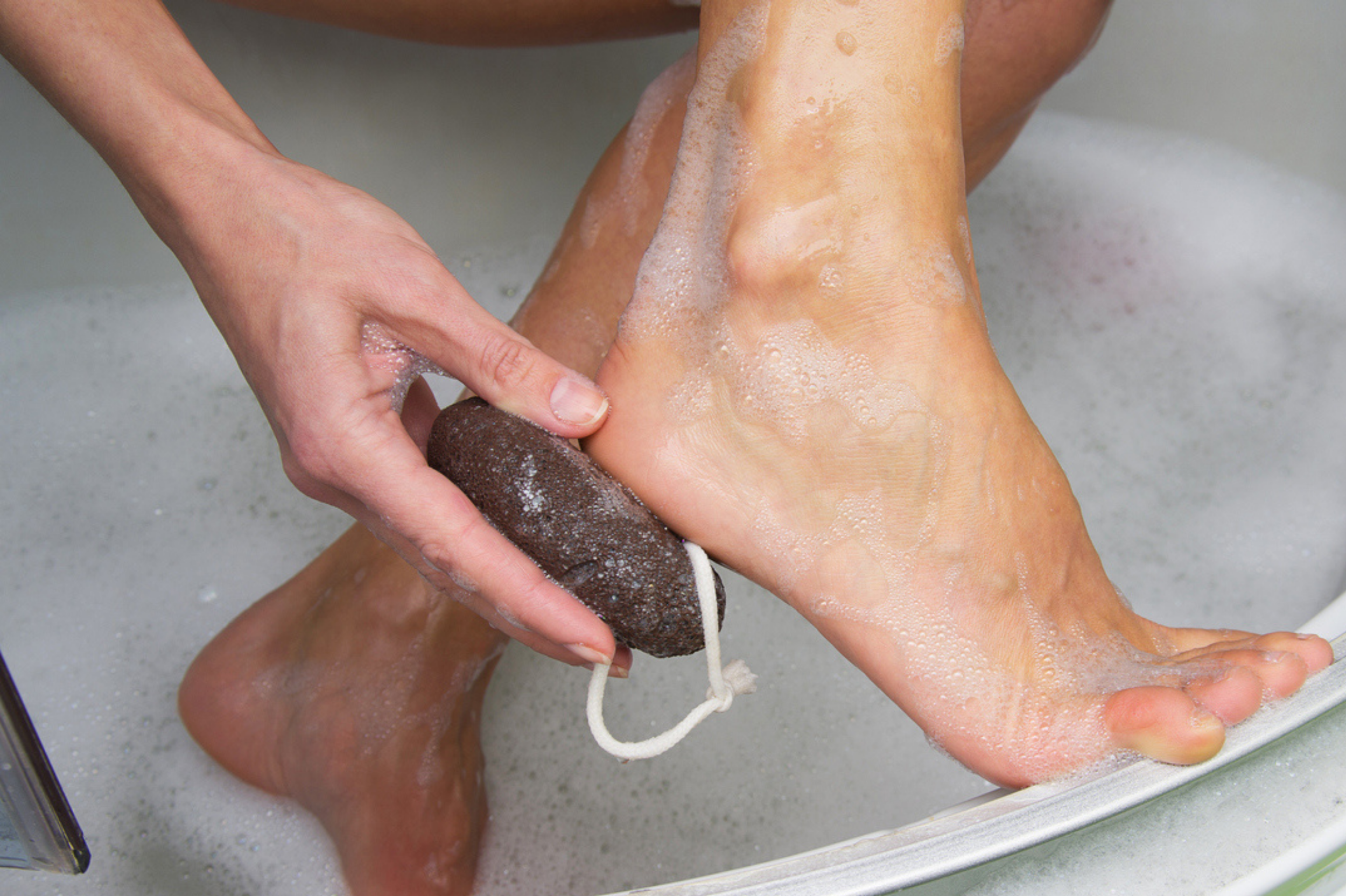
Cracked heels are incredibly common -and while they might start as a cosmetic concern, they can quickly become painful and prone to infection if left untreated. The good news? With the right care, cracked heels are very treatable.
What causes cracked heels?
Cracked heels (also known as heel fissures) develop when the skin around the heel becomes dry, thickened, and unable to stretch properly. Common contributing factors include:
● Dry skin or dehydration
● Prolonged standing, especially on hard surfaces
● Open-back shoes or barefoot walking
● Excess pressure or body weight on the heels
● Medical conditions such as diabetes, eczema, orpsoriasis
● Poorly fitting footwear
Over time, dry skin thickens to protect itself. When pressure is applied, the hardened skin splits — leading to cracks that can be uncomfortable or even bleed.
When cracked heels become a problem
Mild cracks may feel rough or catch on socks, but deeper fissures can cause pain when walking and increase the risk of infection. If you notice redness, swelling, bleeding, or pain, it’s important to seek professional care.
For people with diabetes or poor circulation, even small cracks can become serious if not treated early.
How a podiatrist treats cracked heels
At Power Podiatry Peninsula, treatment focuses on both immediate relief and long-term prevention. This may include:
● Safe removal of hard, thickened skin
● Treating painful or infected fissures
● Prescribing medical-grade heel balms where required
● Advice on footwear and pressure reduction Ongoing care to prevent recurrence
Importantly, we don’t just treat the cracks — we look at why they formed in the first place.
What you can do at home
To support treatment and prevent cracked heels from returning:
● Apply a urea-based heel balm daily
● Avoid walking barefoot on hard surfaces
● Wear supportive, enclosed footwear
● Avoid using blades or harsh tools on your heels
● Keep skin hydrated, especially in colder months
Consistency is key - occasional moisturising won’t be enough if heels are already dry and thickened.
When to book an appointment
If your heels feel painful, are beginning to split, or are not improving within a few days of home care, it’s best to arrange an assessment. Early intervention prevents cracks from deepening, speeds up healing and significantly reduces the risk of complications.
Addressing cracked heels early is simpler, and far more comfortable than waiting for them to worsen.