
Fungal Toenails: What You Need to Know
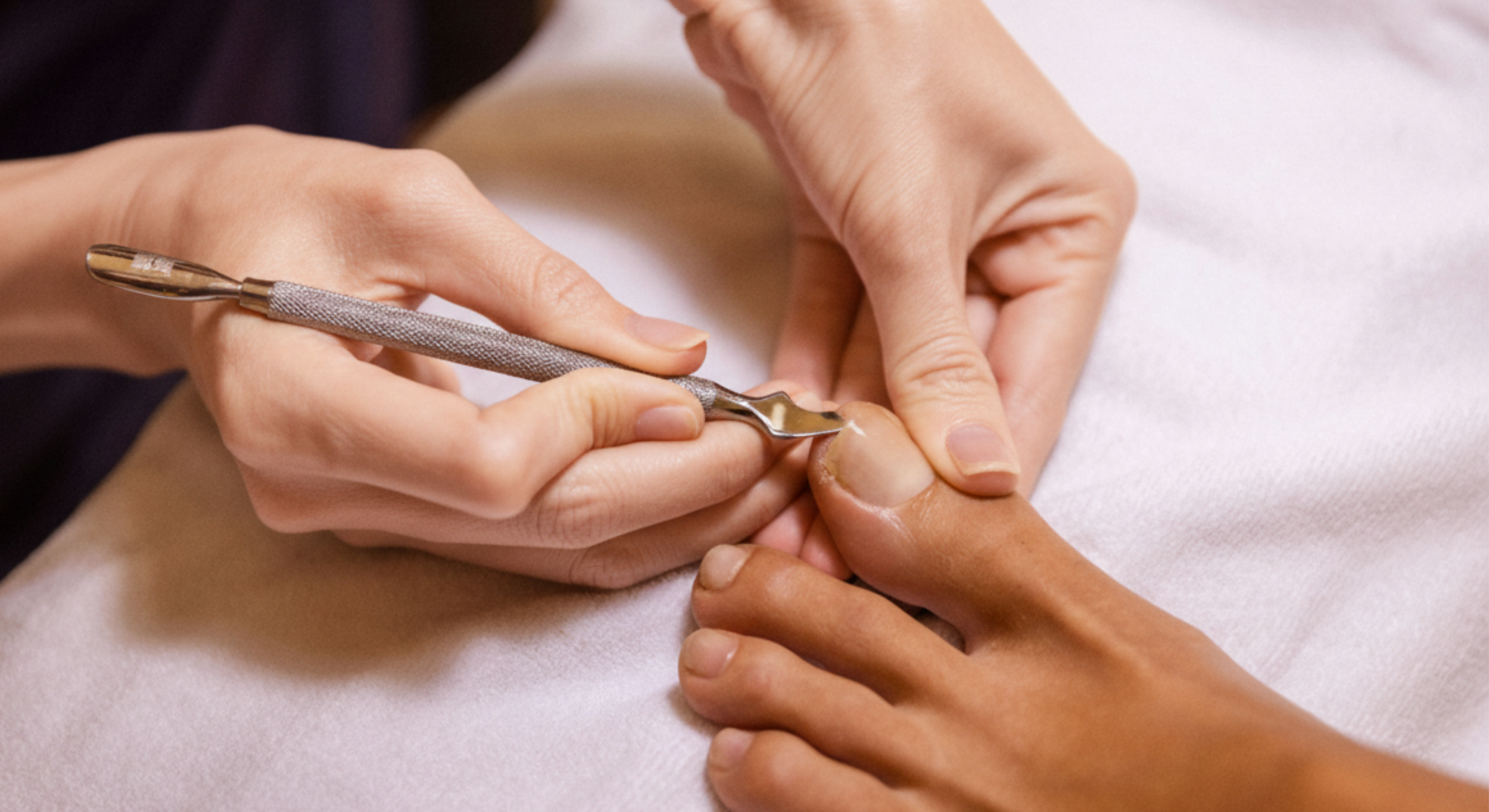
Fungal toenails (also known as onychomycosis) are common and treatable, but they often require the right diagnosis and a consistent treatment approach.
A fungal nail infection occurs when fungi enter the nail through small cracks in the nail or surrounding skin. Over time, the nail may become thickened, discoloured (yellow, white or brown), brittle, or crumbly, and can sometimes lift from the nail bed.
How common are fungal toenails?
Fungal toenails affect up to 10% of the general population, with prevalence increasing with age. Risk factors include nail trauma, diabetes, circulation issues, and regular exposure to warm, moist environments such as communal showers or tight footwear.
How are fungal toenails diagnosed?
Not all thickened or discoloured nails are fungal. Trauma, psoriasis, and nail deformities can appear similar.
A podiatrist may assess the nail clinically and, if needed, take a nail sample for laboratory testing. Accurate diagnosis is important, as antifungal treatments are only effective when fungus is present.
What treatments are evidence-based?
Treatment depends on how much of the nail is affected, the number of nails involved, and your overall health.
Evidence-based options include:
• Topical antifungal treatments – best for mild or early infections. These require consistent daily use over several months and are most effective when combined with professional nail care.
• Oral antifungal medication – considered the most effective treatment for moderate to severe infections. These medications have higher cure rates but require medical oversight and are not suitable for everyone.
• Regular podiatry nail care – reducing nail thickness improves comfort and helps treatments work more effectively.
Toenails grow slowly, and visible improvement can take 9–12 months.
Can fungal toenails come back?
Recurrence is common. Research shows reinfection risk can be reduced by treating athlete’s foot promptly, keeping feet dry, wearing breathable footwear, disinfecting shoes and nail tools, and following preventative advice.